Can Eye Exams Detect Other Health Conditions?
Providing Important Clues When Further Evaluation May Be Needed
When most people think about scheduling an eye exam, they think about checking their vision or updating their prescription for glasses or contact lenses. However, a comprehensive eye exam can reveal much more than how clearly you see.
The eyes provide eye doctors with a unique view of blood vessels, nerves, and other structures that can reflect changes occurring elsewhere in the body. In fact, signs associated with systemic conditions such as diabetes, high blood pressure, high cholesterol, and certain autoimmune disorders may be visible during an eye examination. While an eye exam doesn't replace routine medical care, it can sometimes provide important clues that further evaluation may be needed.
What Can an Eye Exam Tell You About Your Overall Health?
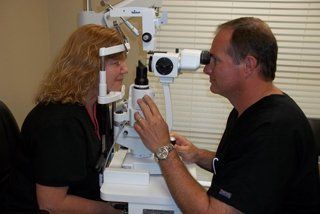
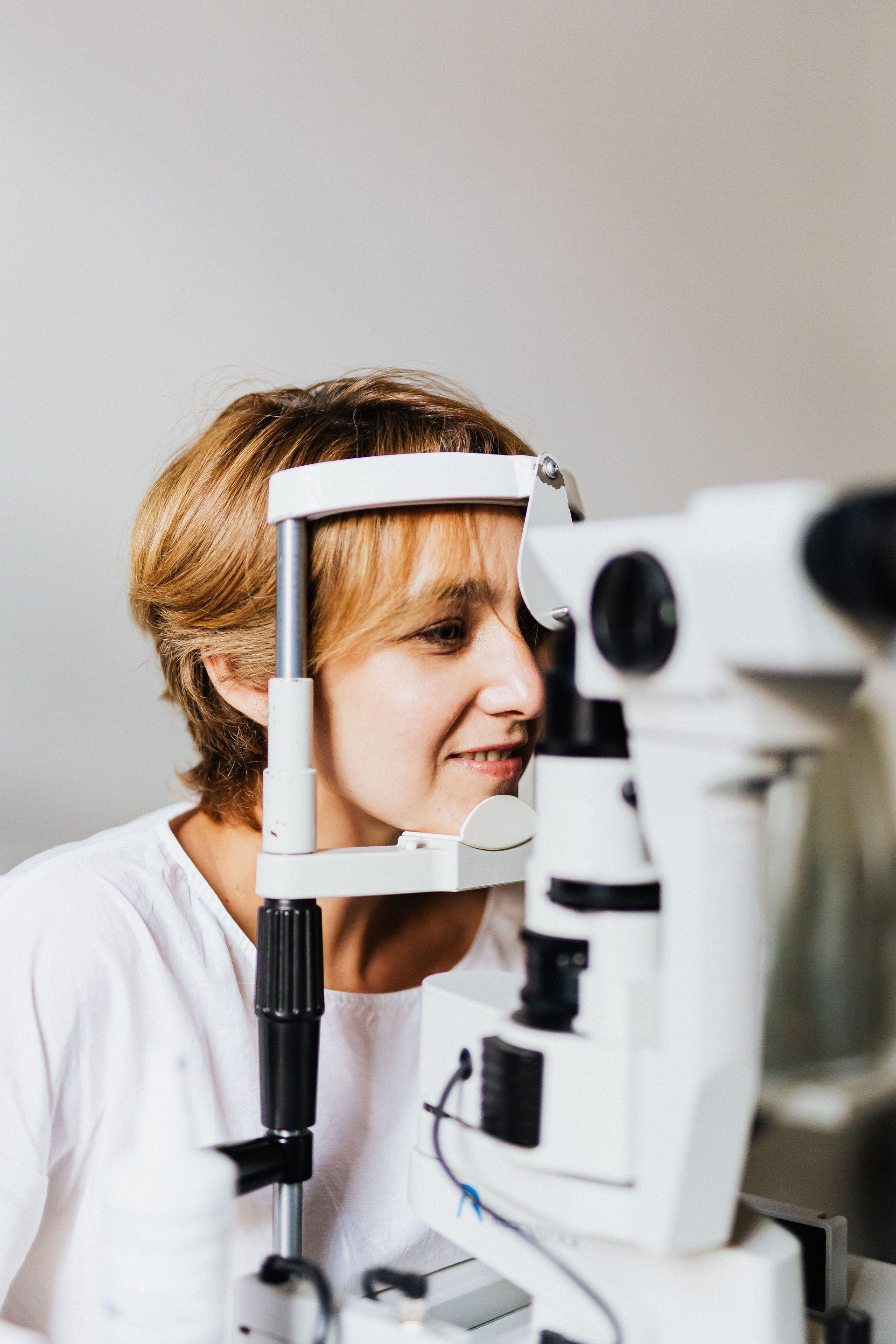
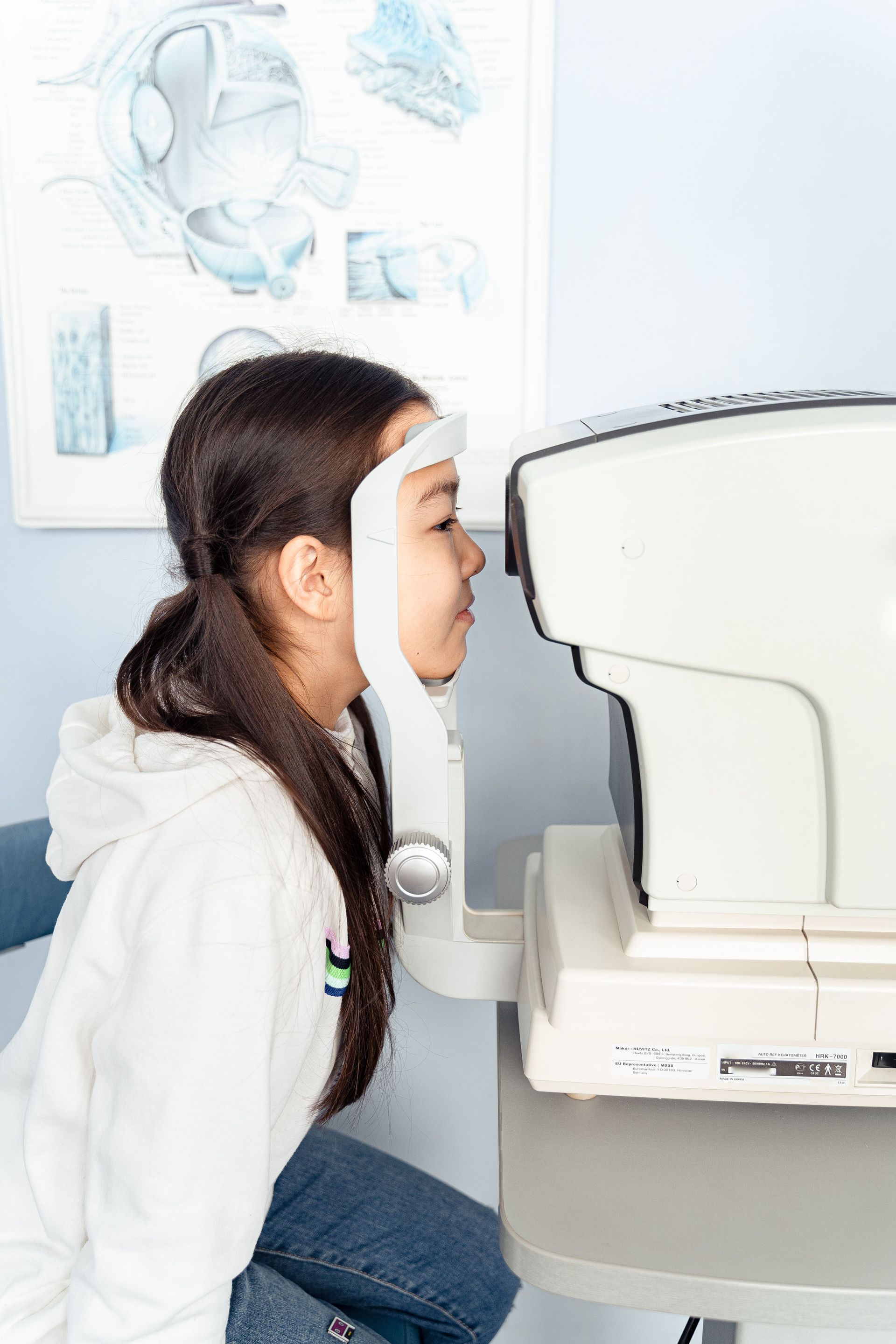
During a comprehensive eye exam, your eye doctor evaluates more than visual acuity. Depending on your needs, the examination may include evaluating the retina, optic nerve, blood vessels, eye pressure, peripheral vision, eye movement, and other aspects of eye health.
Because changes in the eyes can occur alongside systemic health problems—and sometimes before a person notices other symptoms—these examinations can play an important role in identifying potential concerns.
Diabetes
Diabetes can affect the small blood vessels throughout the body, including those in the retina. During a dilated eye examination, an eye doctor may observe retinal bleeding, swelling, or other vascular changes associated with diabetic eye disease.
This is particularly important because diabetic retinopathy may develop without noticeable vision changes in its early stages. Detecting suspicious changes can lead to additional medical evaluation and, for patients already diagnosed with diabetes, appropriate treatment and monitoring to help protect their vision.
High Blood Pressure
Your eyes can also provide clues about your cardiovascular health. High blood pressure, or hypertension, may cause visible changes to the blood vessels in the retina.
An eye doctor may notice narrowing, damage, or other abnormalities involving these vessels during an examination. These findings don't take the place of having your blood pressure measured, but they may indicate that further evaluation by your primary care provider is appropriate.
High Cholesterol
Elevated cholesterol can sometimes produce signs that are noticeable during an eye examination. Certain changes involving the retinal blood vessels may be associated with high cholesterol and other cardiovascular risk factors.
If your eye doctor notices something unusual, they may recommend speaking with your physician and having appropriate testing performed.
Autoimmune and Inflammatory Conditions
Certain autoimmune and inflammatory diseases can affect different parts of the eye. Conditions such as lupus, Sjögren's syndrome, Crohn's disease, and thyroid disorders can have ocular signs or symptoms that may be identified during a comprehensive examination.
Symptoms such as persistent dry eyes, inflammation, redness, discomfort, or unexpected changes in vision can sometimes warrant further investigation. When appropriate, your eye doctor may recommend follow-up care with another healthcare provider.
Neurological Conditions
Because the optic nerve connects the eyes to the brain, some neurological conditions can produce changes involving vision, eye movement, the pupils, or the optic nerve.
A comprehensive examination may uncover abnormalities that warrant additional medical testing. This doesn't mean an eye exam alone can diagnose a neurological disorder, but unusual findings may provide an important reason for referral and further evaluation.
An Eye Exam Is About More Than Clear Vision. Contact Us to Schedule an Exam
Getting your eyes checked isn't only about determining whether you need a new pair of glasses. A comprehensive eye exam helps protect your vision while giving your eye doctor an opportunity to look for signs that could be connected to your overall health. At the office of Seaborn M Hunt III, we work to provide comprehensive eye care to visitors from The Villages, FL, Ocala, FL, and the surrounding communities.
If unusual findings are discovered, your eye doctor can discuss them with you and recommend appropriate follow-up care. Staying proactive with routine eye care can help identify concerns earlier and protect healthy vision for years to come.
Contact us to schedule your comprehensive eye exam today and make your eye health an important part of caring for your overall well-being.