What is Dry Eye Syndrome and How Can You Correct It?
Dry eye syndrome affects millions of Americans and can significantly impact your quality of life and visual comfort. At Seaborn M. Hunt III MD's offices in Ocala and The Villages, FL, we provide comprehensive diagnosis and treatment for this common yet often misunderstood condition.
What is Dry Eye Syndrome?
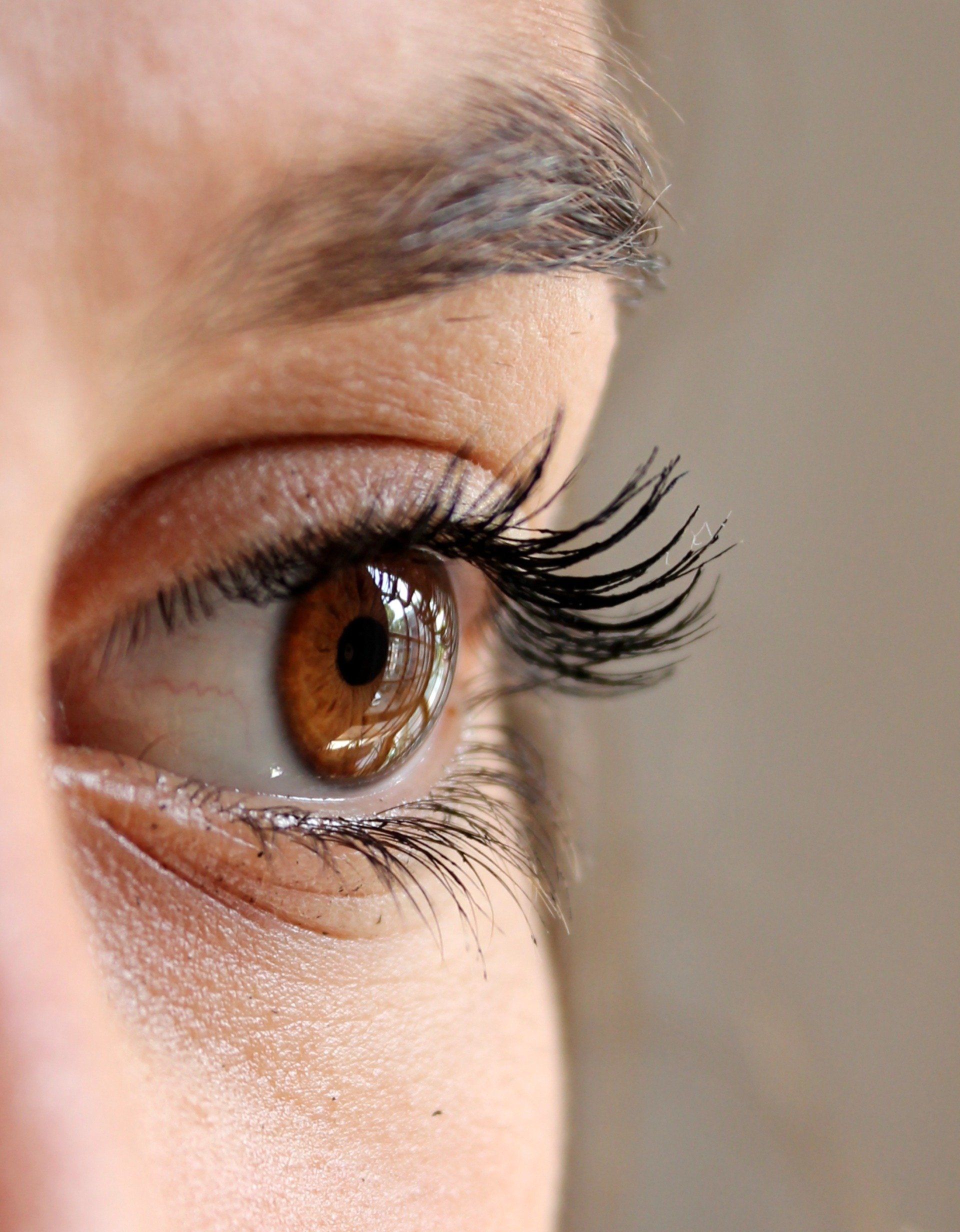
Dry eye syndrome occurs when your eyes cannot produce adequate tears or when the tears evaporate too quickly. This condition results in insufficient lubrication and moisture on the eye's surface, leading to discomfort and potential vision problems. The tear film consists of three essential layers: an oily outer layer, a watery middle layer, and an inner mucus layer. When any of these components are compromised, dry eye symptoms can develop.
Common Symptoms of Dry Eye Syndrome
Patients experiencing dry eye syndrome may notice several uncomfortable symptoms that can interfere with daily activities. These symptoms include:
- Persistent burning or stinging sensation in the eyes
- Gritty or sandy feeling, as if something is in your eye
- Excessive tearing or watery eyes (a reflex response to dryness)
- Blurred vision that improves with blinking
- Eye fatigue, especially after reading or computer use
- Sensitivity to light and wind
- Difficulty wearing contact lenses comfortably
- Stringy mucus discharge around the eyes
Causes and Risk Factors
Several factors can contribute to the development of dry eye syndrome. Age is a primary risk factor, as tear production naturally decreases over time. Women are more likely to experience dry eyes due to hormonal changes during pregnancy, menopause, or while using oral contraceptives.
Environmental factors play a significant role in dry eye development. Air conditioning, heating systems, wind, and smoke can increase tear evaporation. Extended screen time reduces blink frequency, leading to inadequate tear distribution across the eye surface.
Certain medications can also contribute to dry eyes, including antihistamines, decongestants, blood pressure medications, and antidepressants. Medical conditions such as diabetes, rheumatoid arthritis, thyroid disorders, and autoimmune diseases increase the risk of developing dry eye syndrome.
How Eye Care Exams Help Diagnose Dry Eye Syndrome
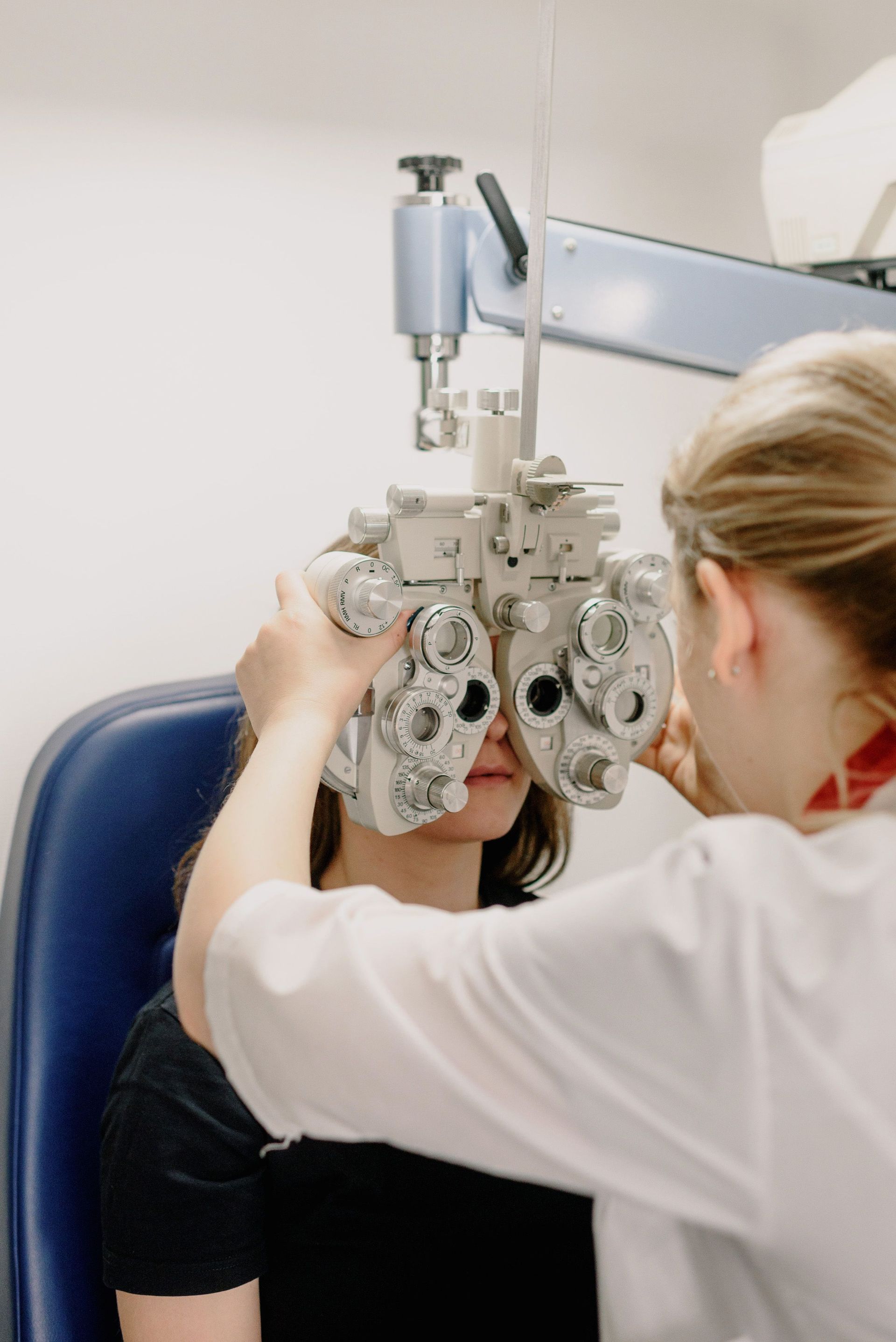
Comprehensive eye care exams are essential for accurately diagnosing dry eye syndrome and determining the most effective treatment approach. During your examination at our Ocala or The Villages location, Dr. Hunt will evaluate your tear production, quality, and distribution patterns.
The diagnostic process may include several specialized tests. The Schirmer test measures tear production by placing small strips of paper under your lower eyelids. Tear breakup time testing evaluates how quickly tears evaporate from your eye surface. We may also examine your eyelids and tear glands to identify any structural abnormalities that might be contributing to your symptoms.
Advanced Treatment Options for Dry Eye Syndrome
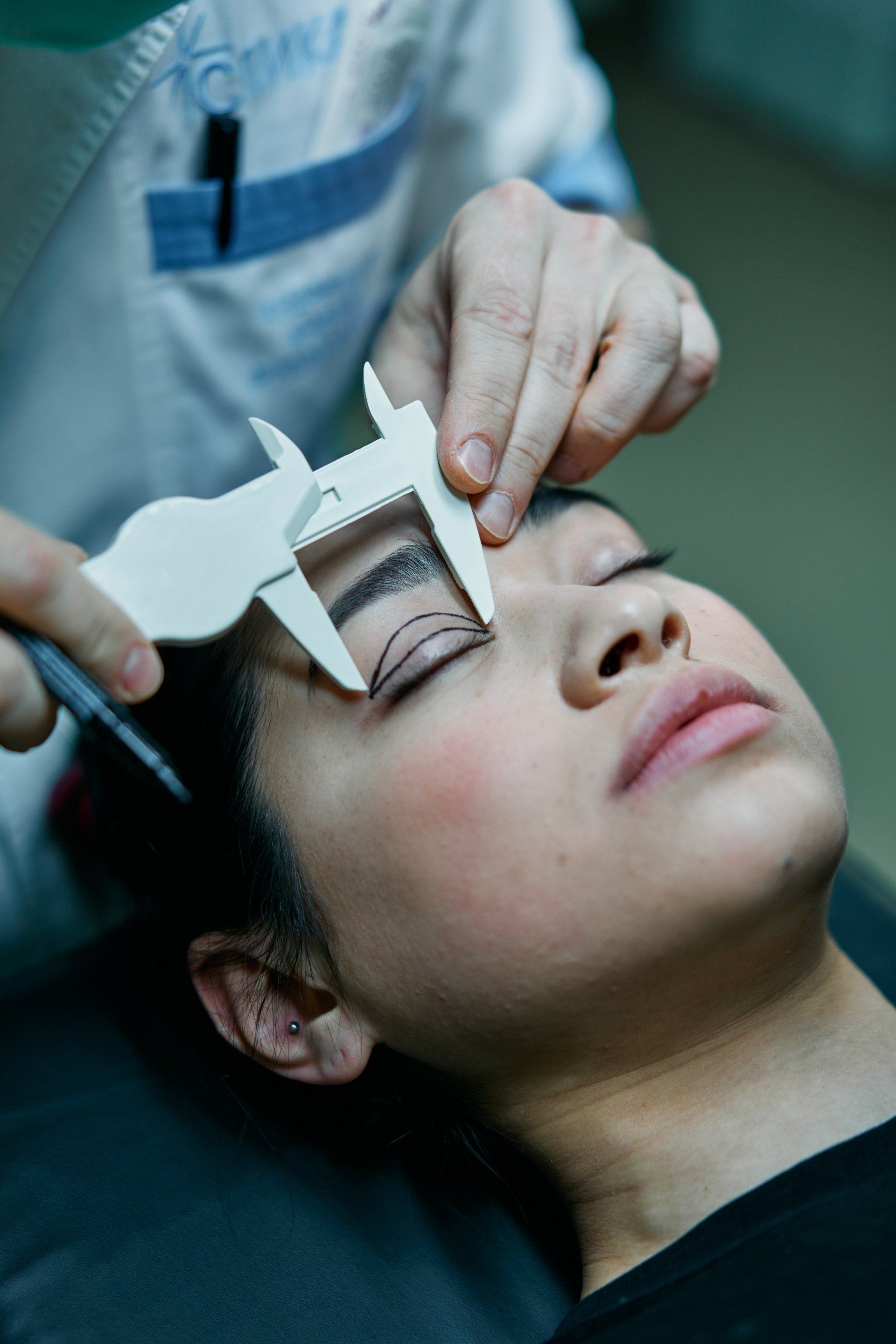
Modern eye surgery and treatment options provide effective relief for dry eye syndrome patients. Treatment approaches vary based on the severity and underlying cause of your condition.
For mild to moderate cases, artificial tears and prescription eye drops like Restasis can provide significant improvement. Restasis helps increase natural tear production and reduces inflammation that contributes to dry eye symptoms.
Advanced treatment options include punctal plugs, which are tiny devices inserted into the tear ducts to prevent your tears from draining away too quickly. In more severe cases, we might recommend specialized procedures to address underlying causes.
For patients who need cataract surgery, multifocal lens replacement, or glaucoma surgery, addressing dry eye syndrome beforehand ensures optimal surgical outcomes and patient comfort during recovery.
Environmental and Lifestyle Management
Managing dry eye syndrome often involves making environmental and lifestyle adjustments. Using a humidifier in your home or office can help maintain adequate moisture levels in the air. Taking regular breaks from computer screens and consciously blinking more frequently can improve tear distribution.
You can protect your eyes from wind and dust with wraparound sunglasses to reduce tear evaporation. Staying well-hydrated and consuming omega-3 fatty acids through diet or supplements may also support healthy tear production.
When to Seek Professional Eye Care
If you experience persistent dry eye symptoms that interfere with your daily activities, it's important to schedule a comprehensive eye care exam. Early intervention can prevent complications and provide more effective treatment outcomes.
At Seaborn M. Hunt III MD, we understand how dry eye syndrome can impact your quality of life. Our experienced team provides personalized treatment plans using the latest diagnostic tools and treatment options available in Ocala and The Villages, FL.
Schedule your comprehensive eye care exam today by
calling one of our two locations. Take the first step toward clearer, more comfortable vision with professional dry eye syndrome treatment.